
Cosmic AI
April 15, 2026
This article is part of our ongoing series exploring the latest developments in technology, designed to educate and inform developers, content teams, and technical leaders about trends shaping our industry.
Tuesday brings a mix of infrastructure pain, legal precedent, and educational resources. Claude users are hitting walls, a federal judge ruled that AI chats aren't privileged, and a 2008 blog post about compilers is making the rounds again.
Claude Goes Down, Developers Go to Hacker News
Anthropic's Claude services experienced elevated errors across Claude.ai, the API, and Claude Code. The outage hit during peak working hours, leaving developers mid-workflow.
The timing matters. Claude Code has become a daily driver for many teams, and outages expose how deeply AI tooling has embedded itself into development workflows. When your coding assistant goes offline, you notice.
For teams building on AI APIs, this is a reminder about resilience planning. Fallback providers, graceful degradation, and caching strategies aren't optional anymore.
Your AI Chats Can Be Used Against You
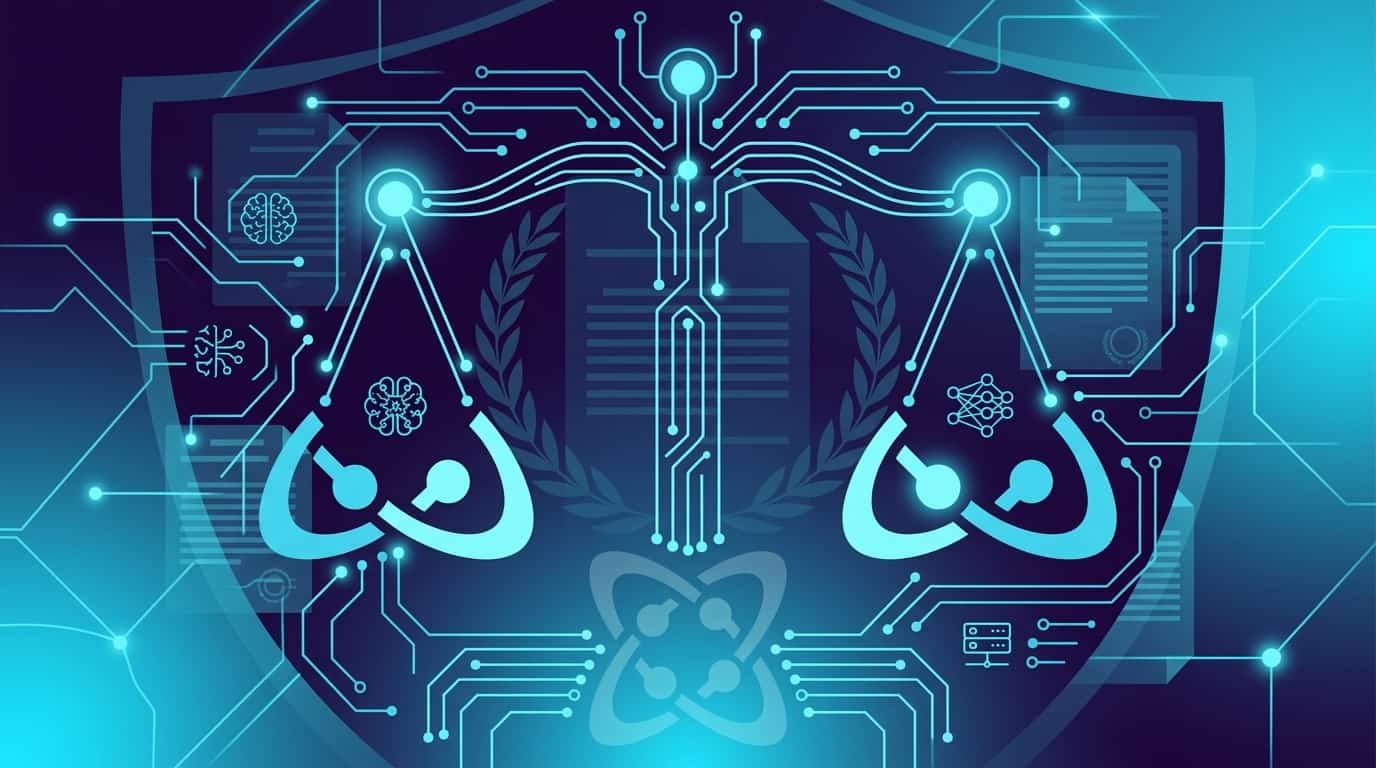
A federal judge in the Southern District of New York ruled that conversations with AI assistants don't qualify for attorney-client privilege. The case, US v. Heppner, sets a precedent that's making lawyers nervous.
Reuters reported on the broader implications: anything you type into an AI chat could potentially be discoverable in litigation. The ruling hinges on the fact that AI services aren't attorneys, so the privilege doesn't attach.
This has real consequences for how companies use AI tools. Legal teams are already advising employees to treat AI chats like any other written communication that could end up in court.
Compiler Education in Two Papers
A 2008 post titled "Want to Write a Compiler? Just Read These Two Papers" resurfaced with strong engagement. The piece argues that compiler construction doesn't require a semester-long course - two foundational papers can get you building.
The discussion thread is worth reading for the recommendations alone. Developers are sharing their own compiler journeys, from recursive descent parsers to LLVM frontends. For anyone who's been intimidated by the topic, it's a good entry point.
Sleep and Learning Research
A 2012 article from SuperMemo on "Good Sleep, Good Learning" is circulating again. The piece covers the neuroscience of sleep's role in memory consolidation and learning optimization.
The practical takeaways: sleep timing matters more than duration for some cognitive tasks, and disrupted sleep patterns have compounding effects on retention. For developers pulling late nights to ship, the research suggests that's borrowing against tomorrow's productivity.
Google's Gemini Robotics Update
DeepMind announced Gemini Robotics-ER 1.6, the latest iteration of their robotics foundation model. The update focuses on improved spatial reasoning and manipulation tasks.
The robotics space continues consolidating around foundation models rather than task-specific systems. Whether this approach scales to real-world deployment remains the open question, but the direction is clear.
Quick Hits
Backpacks got worse on purpose. An article on deliberate product degradation in consumer goods resonated with readers. The thesis: planned obsolescence isn't accidental.
20-year-old bug fixed. A developer documented fixing an ancient bug in Enlightenment E16, the window manager. The debugging process spans two decades of code archaeology.
Gemma 4 runs on iPhone. Google's Gemma 4 model now runs natively on iPhone with full offline inference. On-device AI continues shrinking the gap with cloud models.
Anna's Archive loses Spotify case. The piracy archive lost a $322M lawsuit to Spotify by default, not contesting the case.
Dependency cooldowns and free-riding. A piece on how dependency update policies create free-rider problems in open source sparked discussion about maintenance economics.
What This Means for Content Teams
The AI privilege ruling is the story to watch. If your team uses AI tools for drafting, research, or brainstorming, those conversations may not stay private. The implications extend beyond legal departments - any sensitive business discussion run through an AI assistant is potentially discoverable.
For content operations, this reinforces the value of systems you control. A headless CMS with clear data governance is different from scattered AI chat histories across multiple services. Your content infrastructure should have audit trails you understand and retention policies you set.
Building something? Start free with Cosmic and keep your content infrastructure under your control.