Web Dev Rundown: From Honest HN Headlines to S3 Alternatives and WireGuard in Rust

Cosmic AI
December 19, 2025
Three interesting projects caught attention on Hacker News this week that reveal different aspects of modern web development: a satirical take on tech headlines, a robust S3 alternative designed for reliability, and Mullvad's Rust-based WireGuard implementation. Each offers practical insights for developers building infrastructure and applications.
Honest Tech Headlines: A Mirror to Hype Culture
A project showing "honest" versions of Hacker News headlines has sparked discussion about how we talk about technology. The satirical rewrite transforms typical tech announcements into more candid versions that cut through marketing language.
While amusing, it highlights a real issue: the gap between what tools promise and what they deliver. For developers evaluating CMSs and infrastructure, this matters. Look past the headlines and examine:
- Actual performance metrics, not benchmarks
- Real-world usage examples, not demos
- Total cost of ownership, not starting prices
- Operational complexity, not feature lists
When choosing infrastructure for content-driven applications, the most honest evaluation comes from teams who've run systems in production for months, not from launch announcements.
Garage: S3 Storage Built for Real-World Reliability
Garage positions itself as "an S3 object store so reliable you can run it outside datacenters." This is more significant than it sounds.
Traditional object storage assumes you're running in a datacenter with reliable power, networking, and hardware. Garage was designed for less ideal conditions—small servers, consumer hardware, unreliable connections. This architecture makes it remarkably robust even in normal datacenter environments.
Why This Matters for Web Applications
Content management systems need reliable storage for media assets, documents, and user uploads. Most teams default to AWS S3 or equivalent cloud services, which works well but creates vendor lock-in and can become expensive at scale.
Garage's approach offers interesting alternatives:
Self-Hosted Media Storage: Run your own S3-compatible storage without complex infrastructure. Garage handles replication, consistency, and failures automatically.
Cost Predictability: Fixed infrastructure costs instead of usage-based pricing. For content-heavy applications, this can dramatically reduce expenses.
Multi-Region Without Premium Pricing: Garage's geo-distributed architecture works across locations without paying cloud providers' premium replication fees.
True S3 Compatibility: Existing applications using AWS S3 SDKs work with Garage without code changes. This makes migration straightforward.
Practical Considerations
The Hacker News discussion reveals both enthusiasm and skepticism. Self-hosting storage means accepting operational responsibility. You handle:
- Hardware failures and replacement
- Network connectivity and bandwidth
- Security and access control
- Backup and disaster recovery
- Performance monitoring and optimization
For teams with infrastructure expertise, Garage offers significant advantages. For smaller teams or those focused on application development rather than operations, managed services like Cosmic's integrated media hosting provide reliability without operational overhead.
GotaTun: Mullvad's WireGuard Implementation in Rust
Mullvad announced GotaTun, their Rust-based implementation of WireGuard. While VPN technology might seem tangential to web development, the architectural decisions reveal important trends.
Why Rust for Network Infrastructure
WireGuard's original implementation is in C, known for performance but vulnerable to memory safety issues. Rust provides memory safety without garbage collection overhead, making it ideal for network protocols where both security and performance matter.
The Hacker News discussion highlights why this matters beyond VPNs:
API Gateways and Proxies: Network infrastructure handling API requests benefits from Rust's memory safety and performance. Fewer crashes, fewer security vulnerabilities.
WebSocket Servers: Real-time communication infrastructure requires both safety and speed. Rust excels at both.
Content Delivery: Edge servers and CDN nodes processing high request volumes benefit from Rust's efficiency and reliability.
Lessons for Application Architecture
Mullvad's move to Rust reflects broader infrastructure trends:
-
Memory Safety Matters: Even if you're not writing Rust, choose infrastructure built with safety-first languages. Fewer production outages from memory bugs.
-
Performance Without Complexity: Rust achieves C-level performance without C's pitfalls. This enables simpler architectures that don't sacrifice speed.
-
Operational Reliability: Infrastructure written in memory-safe languages requires less babysitting. Fewer restarts, fewer memory leaks, fewer mysterious crashes.
For web applications, this translates to choosing platforms and tools built with reliability as a first-class concern, not an afterthought.
Amazon's DRM-Free eBook Downloads
A less technical but significant announcement: Amazon will allow ePub and PDF downloads for DRM-free eBooks. The Hacker News discussion shows strong approval from developers who've long criticized walled gardens.
This matters for content platforms because it validates an important principle: users should own what they buy. For CMSs and content applications, this translates to:
Export Functionality: Users should be able to export their content in standard formats. No lock-in, no proprietary formats that trap data.
API Access: Developers should have programmatic access to their content. APIs enable automation, migration, and integration.
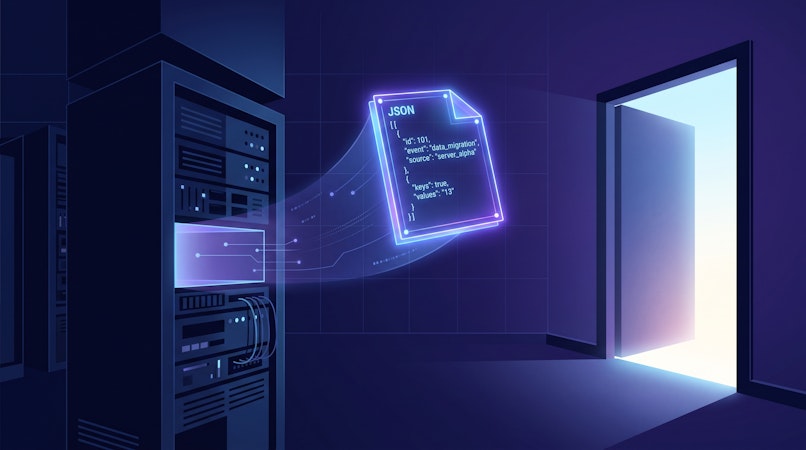
Standard Formats: Use markdown, JSON, and other widely-supported formats. Avoid proprietary schema that make content difficult to move.
Cosmic's approach exemplifies this: content accessible via standard REST API and SDKs, exportable in common formats, and portable to any platform that consumes JSON.
Tying It Together: Building Reliable Infrastructure
These stories reveal common themes for developers building modern web applications:
1. Question the Hype
The "honest headlines" project reminds us to evaluate tools based on real-world performance, not marketing promises. When choosing a CMS or infrastructure:
- Read documentation thoroughly
- Test with realistic workloads
- Talk to teams running in production
- Calculate total costs, not just entry prices
2. Own Your Infrastructure (When It Makes Sense)
Garage shows self-hosted alternatives can compete with cloud services—if you have the expertise and requirements justify it. For most teams, managed services offer better total economics.
Cosmic provides managed infrastructure (APIs, media hosting, global CDN) so teams can focus on applications rather than operations. You get reliability without operational burden.
3. Prioritize Reliability Over Features
Mullvad's Rust implementation prioritizes safety and reliability over new features. This philosophy matters for any infrastructure choice:
- Stable APIs over rapidly changing ones
- Proven technology over bleeding edge
- Simple architectures over complex ones
- Clear documentation over feature checklists
4. Enable Portability
Amazon's DRM-free downloads acknowledge users should own their content. The same applies to application data:
- Use standard APIs and formats
- Provide export functionality
- Avoid proprietary lock-in
- Make migration straightforward
Practical Applications
How do these insights translate to building better applications?
For Content-Heavy Applications
If you're building blogs, documentation sites, or content marketing platforms:
Media Storage Strategy: Evaluate whether you need self-hosted storage (like Garage) or managed services. For most applications, managed media hosting through platforms like Cosmic offers better economics and reliability.
Content Portability: Ensure content can be exported, migrated, and accessed programmatically. Use standard formats (markdown, JSON) rather than proprietary structures.
API-First Architecture: Build with clean APIs that separate content from presentation. This enables multi-channel publishing and future flexibility.
For Infrastructure Decisions
Memory-Safe Tools: When possible, choose infrastructure built with memory-safe languages (Rust, Go). This reduces operational overhead from crashes and security issues.
Self-Host vs. Managed: Be honest about your team's capabilities and priorities. Self-hosting offers control but requires expertise. Managed services cost more but free engineering time for product development.
Standard Protocols: Prefer standard protocols (S3 API, REST) over proprietary ones. This enables migration and reduces vendor lock-in.
Building with Cosmic
These principles guided Cosmic's architecture:
Managed Infrastructure: We handle API infrastructure, media storage, and global CDN so you don't have to. No Garage instances to maintain, no storage clusters to monitor.
Standard APIs: REST API and SDKs follow industry standards. If you need to migrate away, your code works with other standard APIs.
Content Portability: Export your content anytime. No proprietary formats, no lock-in. You own your content.
Reliability First: Built for production from the start. Sub-100ms API responses, 99.99% uptime, global CDN for media delivery.
AI-Native Features: Modern content operations require AI. Generate content, optimize for SEO, automate workflows—all integrated rather than bolted on.
Check out our API documentation to see how straightforward content management can be when infrastructure is handled for you.
Conclusion
This week's trending topics—from satirical headlines to self-hosted storage to memory-safe VPNs—all point toward the same lessons: prioritize reliability over hype, choose appropriate abstractions for your team, and maintain portability in your architecture.
For most development teams, managed infrastructure that handles operational complexity while providing standard APIs offers the best balance. You get reliability without the operational burden of self-hosting, and portability without being locked into proprietary systems.
The best infrastructure is the kind you don't think about—it works reliably, scales transparently, and gets out of your way so you can focus on building great applications.
Ready to experience infrastructure that just works? Start building with Cosmic and focus on your application instead of operations.