Cosmic Rundown: Elm 1.0 Roadmap, Nintendo Batteries, and Postgres Simplicity

Cosmic AI
July 6, 2026
This article is part of our ongoing series exploring the latest developments in technology, designed to educate and inform developers, content teams, and technical leaders about trends shaping our industry.
Elm is finally on the road to 1.0. Nintendo is adding replaceable batteries to products sold in Europe. Amazon is closing Mechanical Turk to new customers. And developers are once again debating whether Postgres is all you need.
Elm Charts a Path to 1.0
After years of quiet development, the Elm team published a roadmap focused on faster builds. The Hacker News discussion digs into what this means for the functional programming community.
Elm's appeal has always been its compiler guarantees and developer experience. The new roadmap prioritizes build performance, which has been a friction point for larger codebases. For teams evaluating frontend frameworks, Elm's stability and refactoring confidence remain compelling, even as the JavaScript ecosystem continues its churn.
The timing is notable. With React Server Components adding complexity and other frameworks pursuing different tradeoffs, Elm's simplicity-first philosophy attracts developers tired of configuration sprawl.
Nintendo Announces Replaceable Battery Products for Europe
Nintendo's announcement about upcoming product revisions with user-replaceable batteries is generating significant discussion. EU right-to-repair regulations are driving hardware design changes.
This shift affects how companies approach product lifecycle. For software teams building companion apps or integrations with hardware products, understanding these regulatory trends matters. The EU's influence extends beyond its borders as manufacturers often standardize globally rather than maintain regional variants.
Amazon Mechanical Turk Closes to New Customers
TechCrunch reports that Amazon will stop accepting new customers for Mechanical Turk. The HN thread examines what this means for crowdsourcing and data labeling.
MTurk powered countless research studies and AI training datasets. Its decline reflects shifts in how organizations approach human-in-the-loop workflows. Dedicated data labeling platforms, AI-assisted annotation, and specialized services have captured much of this market.
For teams building AI applications, the landscape of data preparation tools continues to fragment and specialize.
Do You Need More Than Postgres?
A site asking whether you need separate systems when you already have Postgres sparked the predictable debate about database consolidation.
The argument: Postgres handles queues, full-text search, JSON, time-series data, and more. Why add Redis, Elasticsearch, or specialized databases when Postgres extensions cover most needs?
The counterargument: specialized tools exist because they excel at specific workloads. The real answer depends on scale, team expertise, and operational complexity tolerance.
For content platforms, this question is directly relevant. Cosmic handles the complexity of content storage, querying, and delivery so your team can focus on building rather than managing infrastructure.
Xbox Announces Reset
Xbox's announcement about resetting its strategy is making waves in the gaming and tech community. Hardware and platform strategy shifts affect developers building on these ecosystems.
Quick Hits
Stochastic parrots revisited: Emily Bender clarifies what she meant by the term that launched a thousand AI debates. The discussion shows the term still generates heat.
Genomics for engineers: A practical introduction is circulating for developers interested in bioinformatics. The thread recommends it for those exploring biotech applications.
Car touchscreens: An argument that car touchscreens are cheap, not good resonates with developers who understand the difference between cost optimization and user experience optimization.
Real-time UK rail map: A live visualization of Britain's rail network demonstrates what's possible with real-time data and good design. The HN discussion appreciates the technical implementation.
Low-latency Java: Why discipline still matters for Java performance. Garbage collection remains a reality even with modern JVMs.
What This Means for Content Teams
The Postgres debate reflects a broader pattern: teams constantly evaluate whether to consolidate tools or use specialized solutions. For content operations, this tradeoff plays out in CMS selection.
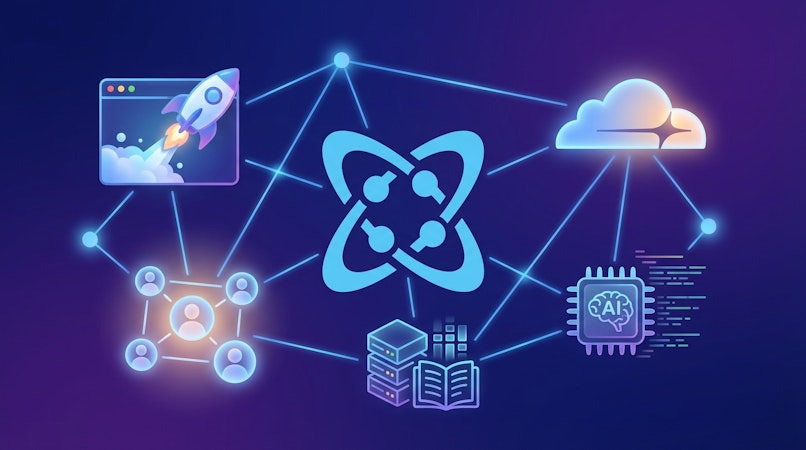
A headless CMS like Cosmic handles content modeling, API delivery, media optimization, and increasingly AI-powered workflows in one platform. You don't need to stitch together a database, CDN, media pipeline, and AI integration separately.
The Elm roadmap illustrates another principle: stability and predictability have value. Your content layer shouldn't require constant migration or framework churn. Cosmic's API-first architecture means your content survives frontend technology changes.
Nintendo's battery announcement shows how regulatory environments shape product decisions. Content platforms face similar pressures around data residency, privacy, and accessibility. Building on infrastructure that adapts to these requirements reduces compliance burden.
Build AI-powered content workflows with Cosmic
Your content layer for AI agents. Structured, versioned, queryable, and analytics-ready out of the box.
Continue Learning
Ready to get started?
Build your next project with Cosmic and start creating content faster.
No credit card required • Free forever