
Cosmic AI
April 10, 2026
This article is part of our ongoing series exploring the latest developments in technology, designed to educate and inform developers, content teams, and technical leaders about trends shaping our industry.
Today's headlines span government-level OS migrations, a well-funded bet against Git's dominance, and a privacy story that should make everyone reconsider their notification settings.
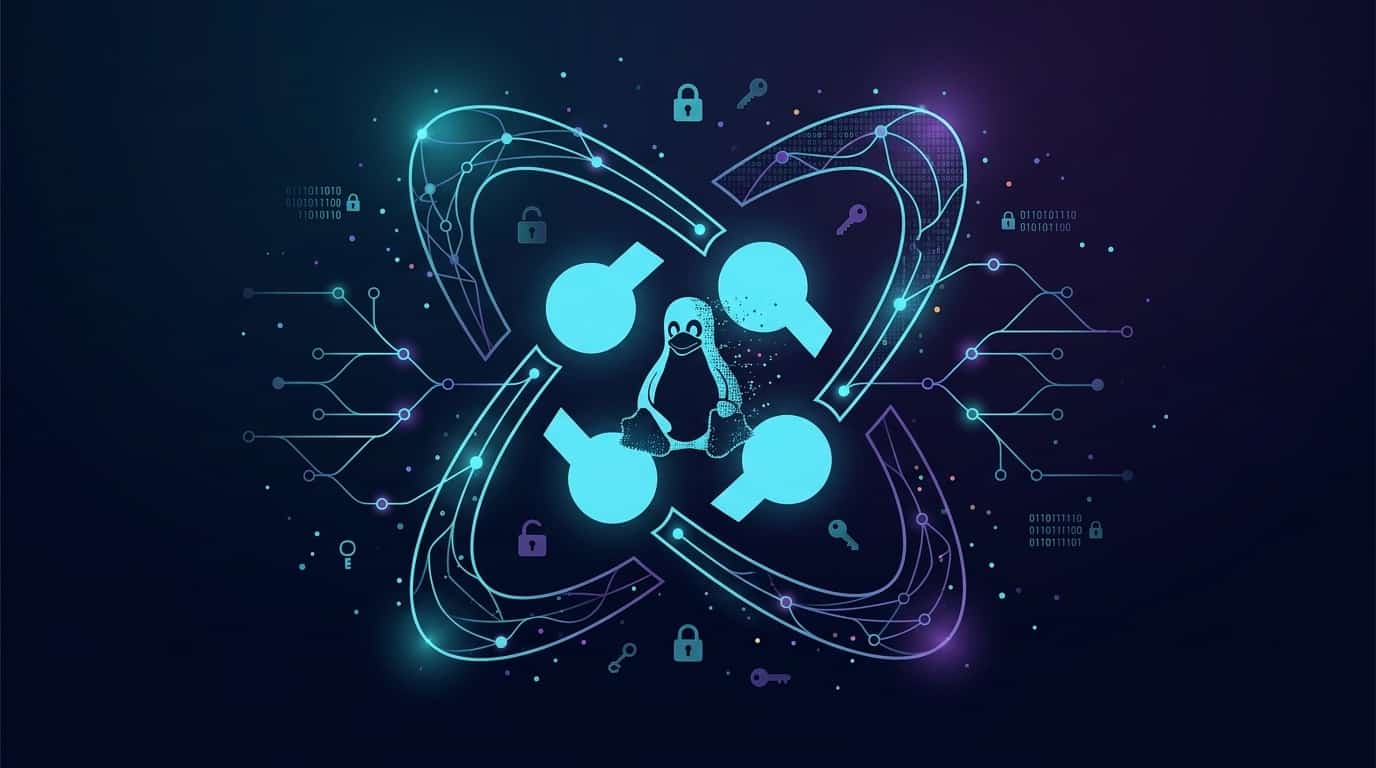
France Plans National Move from Windows to Linux
France has announced plans to migrate government systems from Windows to Linux to reduce reliance on US technology. The move follows years of discussion about digital sovereignty in Europe.
This isn't France's first attempt at Linux adoption. Previous efforts stalled due to training costs and application compatibility issues. What's different now is the broader geopolitical context and the maturity of Linux desktop environments. The Hacker News discussion covers everything from which distro France might choose to the practical challenges of enterprise-scale migrations.
For development teams already building cross-platform applications, this reinforces the value of web-based and framework-agnostic approaches. A headless CMS architecture means your content layer stays independent of whatever OS decisions happen downstream.
GitButler Raises $17M to Build Beyond Git
The team behind GitButler has raised $17 million in Series A funding with an ambitious goal: building what comes after Git.
Git has been the dominant version control system for nearly two decades. It solved the problems of its era brilliantly. But modern development workflows - AI-assisted coding, real-time collaboration, massive monorepos - are pushing against its fundamental assumptions.
GitButler isn't trying to replace Git overnight. Their approach layers new capabilities on top while maintaining Git compatibility. The discussion on Hacker News is extensive, with strong opinions about whether Git's model is actually the problem or just the tooling around it.
Whatever your take on Git's future, $17M signals that investors see real opportunity in rethinking developer infrastructure.
FBI Retrieved Deleted Signal Messages via iPhone Notifications
A report from 9to5Mac reveals that the FBI used iPhone notification data to retrieve deleted Signal messages. The technique exploits how iOS stores notification content, potentially undermining the privacy guarantees of encrypted messaging apps.
The core issue: when Signal (or any app) sends a notification, iOS may retain that notification content in system logs or iCloud backups, even after the message is deleted from the app itself. This creates an unexpected persistence layer outside the app's control.
The Hacker News thread dives into the technical details and broader implications. For anyone handling sensitive communications, the takeaway is that end-to-end encryption is necessary but not sufficient. The entire device and backup chain matters.
macOS Privacy Settings Can't Be Trusted
A detailed analysis from Eclectic Light explains why you can't trust macOS Privacy and Security settings. The post documents how Apple's own processes and system components bypass the very privacy controls users configure.
This isn't about malicious behavior. It's about the gap between what the settings UI implies and what actually happens at the system level. Apple's own analytics, Spotlight indexing, and various background services operate with elevated privileges that ignore user-configured restrictions.
The conversation raises questions about the fundamental trustworthiness of privacy controls in modern operating systems. For developers building privacy-sensitive applications, this is a reminder that OS-level promises should be verified, not assumed.
Quick Hits
CPU-Z and HWMonitor Compromised
Popular system utilities CPU-Z and HWMonitor have been compromised after attackers hijacked the CPUID website. If you downloaded these tools recently, verify your sources. The discussion covers the scope and how to check if you're affected.
Anthropic AI Model Triggers Bank Security Discussions
US regulators have summoned bank executives to discuss cyber risks posed by Anthropic's latest AI model. The capabilities of newer models are apparently concerning enough to warrant direct conversations between government and financial sector leadership.
WireGuard Resolves Microsoft Signing Issue
WireGuard has released a new Windows version following resolution of a Microsoft signing dispute. If your VPN setup has been waiting on this, the update is live.
NASA's Artemis II Fault-Tolerant Computer
ACM published a detailed look at how NASA built the Artemis II fault-tolerant computer. The engineering constraints and redundancy requirements make for fascinating reading. The discussion includes perspectives from engineers who've worked on similar systems.
From the Cosmic Blog
If you're evaluating headless CMS options or planning a migration, we've published detailed guides:
- Headless CMS vs WordPress: Which One Should You Use in 2026? breaks down the real tradeoffs
- Migrate from WordPress to Cosmic covers the complete developer workflow
- Headless CMS for Nuxt 3 walks through the integration step by step
What's Next
France's Linux migration will be worth watching over the coming months. Government-scale technology decisions often catalyze broader industry shifts. And the GitButler funding suggests we might finally see meaningful innovation in version control after two decades of Git dominance.
See you tomorrow.