
Cosmic
June 27, 2026
This article is part of our ongoing series exploring the latest developments in technology, designed to educate and inform developers, content teams, and technical leaders about trends shaping our industry.
Anonymous security researchers are dumping zero-days on GitHub. DeepSeek published a paper on making LLM inference dramatically faster. A fintech engineering handbook appeared. And a provocative essay on digital ownership is sparking debate. Here's what matters.
Anonymous Zero-Day Repository Appears on GitHub
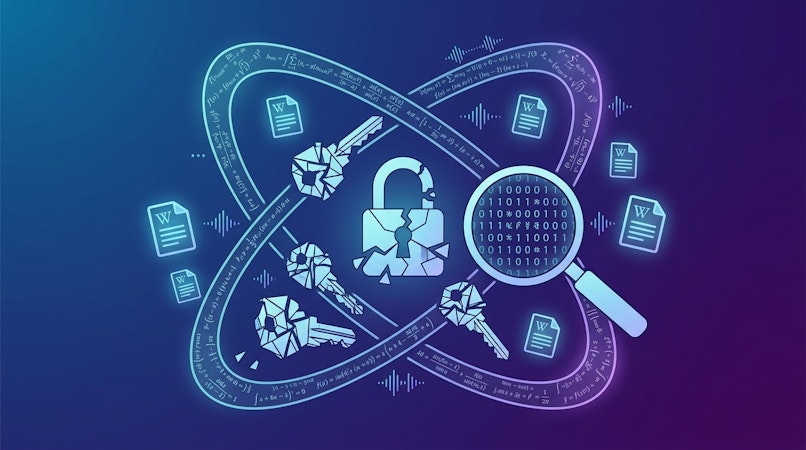
A GitHub account called "bikini" has been mass-dropping undisclosed zero-day exploits in a repository named "exploitarium." The collection includes vulnerabilities that haven't gone through responsible disclosure channels.
This raises familiar questions about vulnerability disclosure ethics. The security community generally prefers coordinated disclosure where vendors get advance notice to patch before exploits go public. Mass-dropping zero-days bypasses that entirely, potentially leaving systems vulnerable while defenders scramble.
For teams running production systems, this is a reminder that threat landscapes shift quickly. Automated security scanning, defense-in-depth architectures, and rapid patching capabilities matter more than ever.
The Hacker News discussion debates the ethics and implications.
DeepSeek's DSpark Accelerates LLM Inference
DeepSeek published DSpark, a paper on speculative decoding that accelerates LLM inference. The technique predicts multiple tokens ahead and verifies them in parallel, reducing the sequential bottleneck that makes autoregressive generation slow.
Speculative decoding isn't new conceptually, but implementation details matter enormously. The paper claims significant speedups while maintaining output quality. For anyone running inference at scale, whether that's a chatbot, content generation pipeline, or AI agent system, faster inference directly translates to lower costs and better user experience.
The discussion thread digs into the technical approach and benchmarks.
Fintech Engineering Handbook Released
A comprehensive Fintech Engineering Handbook dropped, covering the technical challenges specific to financial technology. Topics include payment processing, compliance automation, fraud detection, and the architectural patterns that make fintech systems reliable.
Fintech engineering differs from general web development in ways that aren't always obvious. Transactions need to be idempotent. Audit trails are legally required. Eventual consistency often isn't acceptable. The handbook addresses these constraints directly.
For content teams working with fintech clients or building financial products, understanding these engineering requirements helps produce more accurate technical content. The Hacker News thread has fintech engineers sharing additional resources.
"If You Can't Hold It, You Don't Own It"
A thought-provoking essay titled "If you can't hold it, you don't own it" argues that digital goods fundamentally differ from physical ownership. When a streaming service can revoke access, when a game requires online authentication, when an ebook can be remotely deleted, do you actually own anything?
This connects directly to recent news about PlayStation deleting movies from customer accounts. The essay's argument gains practical relevance when companies demonstrate exactly the behavior it describes.
For content platforms, this raises design questions about permanence and user control. How much ownership do users have over content they create? Can they export it? Does it survive platform changes? These aren't just philosophical questions. They affect user trust and platform stickiness.
The discussion explores the implications for digital rights and platform design.
California Bans Loud Streaming Ads
In regulatory news, California passed legislation making obnoxiously loud streaming ads illegal starting July 1. The law mirrors existing broadcast TV regulations that prevent advertisers from blasting volume during commercial breaks.
This matters for ad-supported content platforms. Audio normalization isn't just a nice-to-have; it's becoming a compliance requirement in major markets. Platforms that serve California users need to audit their ad delivery pipelines.
OpenRA Recreates Classic RTS Games
OpenRA gained attention as an open-source project that recreates the classic Command & Conquer real-time strategy games with modern enhancements. The project demonstrates how game preservation and open-source development intersect.
The discussion covers the technical challenges of reverse-engineering game formats and the legal considerations of working with classic IP.
What This Means for Content Teams
The zero-day story reinforces why content platforms need robust security postures. AI-powered CMS platforms like Cosmic provide managed infrastructure that handles security patching, but teams should still follow security best practices for their own code and integrations.
The LLM inference improvements from DSpark point toward a future where AI features become cheaper to run. Content workflows that incorporate AI generation, summarization, or optimization benefit directly from inference cost reductions. Building these capabilities into your content stack now positions you to take advantage of improving economics.
The digital ownership discussion matters for anyone building content platforms. Users increasingly care about data portability and control. Platforms that offer robust export options and clear ownership terms build trust that differentiates them from competitors who treat user content as hostage.
Give your AI agents a content backend they can write to
Structured, versioned content objects, a REST API and TypeScript SDK, and an MCP server your coding agent connects to directly. The Free plan includes 1 Bucket, 1,000 Objects, and 1 agent. No credit card required.