
Cosmic
October 21, 2026
This article is part of our ongoing series exploring the latest developments in technology, designed to educate and inform developers, content teams, and technical leaders about trends shaping our industry.
AI discovered a critical PHP vulnerability. A certificate authority's keys were cracked in milliseconds. DuckDB hit 2.0. The supply chain took another hit. Here is what matters.
PHP2Shell: AI Finds Critical RCE
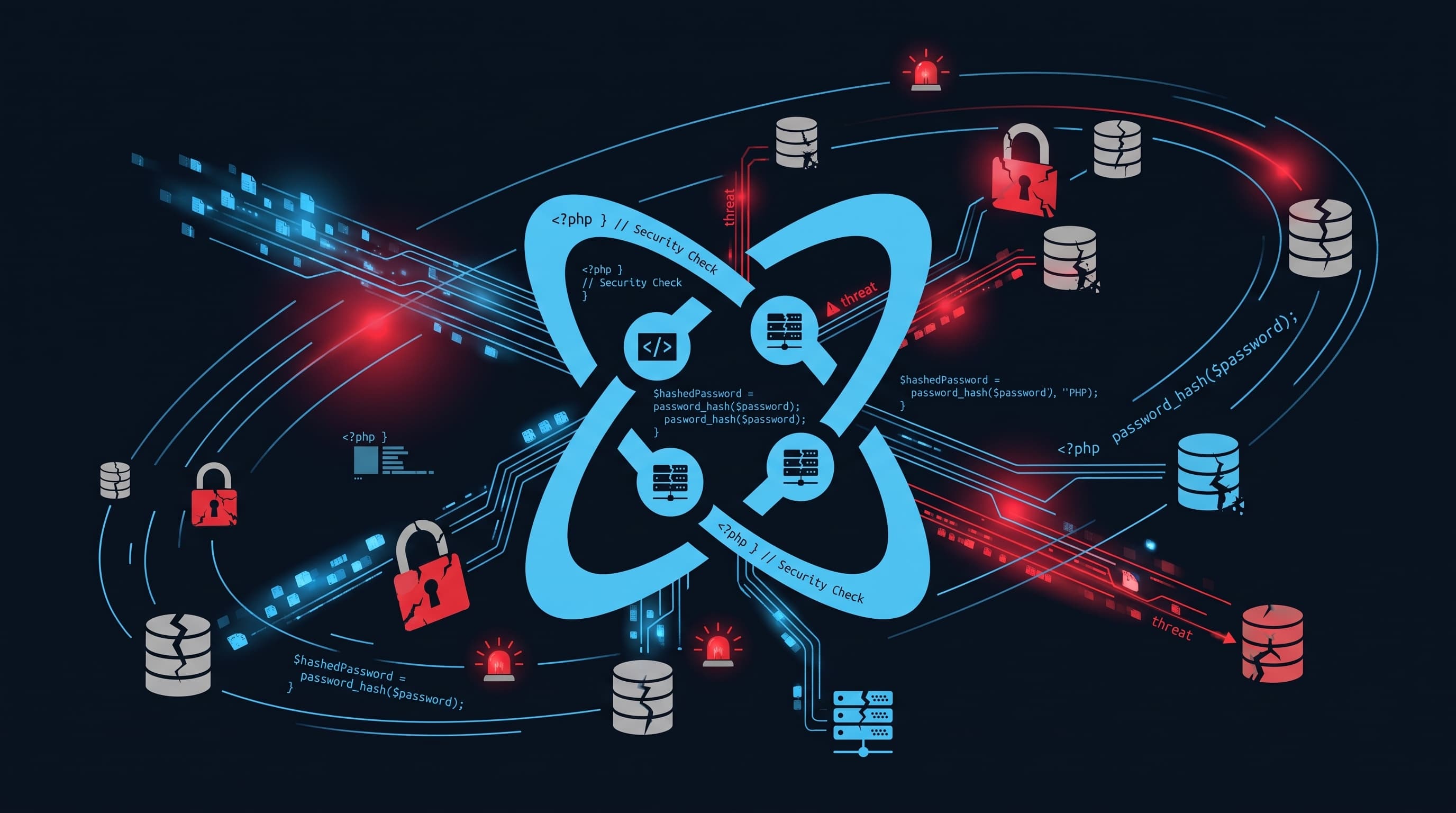
Wiz published PHP2Shell, documenting how AI uncovered a critical remote code execution vulnerability in PHP. The Hacker News discussion is tracking rapid developments.
This is not a routine CVE. AI agents systematically discovered the flaw, and OpenAI coordinated global disclosure across security teams. Cloudflare already deployed WAF protections. PHP Foundation released security patches and PHP 8.2.35.
The speed of coordinated response matters more than the vulnerability itself. AI found the bug, humans organized the fix, infrastructure providers deployed mitigations within hours. This is what modern security response looks like.
For teams running PHP, patch immediately. For everyone else, this demonstrates why infrastructure abstractions matter. Cosmic handles security at the platform level so you focus on content, not CVEs.
eMudhra CA Keys Cracked in Milliseconds
Scott Helme published Eight Bits of Trust, explaining how eMudhra's intermediate CA keys were compromised. The discussion examines the implications.
Certificate authorities are trust anchors for the entire web. When CA keys are weak enough to crack in milliseconds, that trust evaporates. The eMudhra compromise affected an intermediate CA, limiting blast radius, but the underlying failure is systemic.
Most developers never interact directly with CA infrastructure. Your HTTPS certificates arrive through automation, validated by browsers trusting CAs you did not choose. When that chain breaks, there is nothing your code can do.
Cosmic's infrastructure handles TLS and certificate management automatically. Your content serves over HTTPS without you managing the certificate chain.
DuckDB 2.0 LTS Ships
DuckDB 2.0.0 LTS "Cinnamon Teal" released. The thread covers what LTS means for the project.
DuckDB filled a gap between SQLite and full analytical databases. The 2.0 LTS release signals maturity. Teams can now depend on stable interfaces for production workloads.
For content teams, analytical databases enable insights from your data. Page views, engagement metrics, content performance. Cosmic's Insights provides analytics built into the platform. DuckDB's maturity means the tools for building custom analytics keep improving.
LiteLLM Supply Chain Compromise
SafeDep documented a compromised LiteLLM package on PyPI that installed credential stealers and backdoors. The discussion tracks affected versions.
LiteLLM is a popular library for interacting with multiple LLM providers. Compromising it means compromising credentials for OpenAI, Anthropic, and other AI services. The attack targeted developers building AI applications.
Supply chain attacks exploit trust in package ecosystems. You depend on libraries that depend on libraries. One compromised package poisons the entire chain.
Cosmic's AI capabilities are built into the platform. You use AI features without managing AI library dependencies in your codebase.
Muse Leaks User Data Through Shared Conversations
Ars Technica reported that Meta Muse exposes user secrets when conversations are shared. The thread examines the privacy implications.
AI assistants accumulate sensitive context. Share a conversation link and you may expose more than intended. The Muse vulnerability demonstrates how AI interaction patterns create new categories of data leakage.
For enterprise teams, this reinforces why AI tools need proper access controls. Cosmic's AI agents operate within your CMS with role-based permissions and audit logging.
CSS Interop 2027 Preview
Josh Comeau published The Future of CSS, previewing what Interop 2027 brings to browsers. The discussion explores implementation timelines.
Browser vendors coordinating on CSS features through Interop means fewer polyfills and less framework churn. Features that required JavaScript workarounds become native CSS.
For content teams, better CSS means simpler frontend code. Cosmic delivers content through REST APIs that work with any frontend framework. As CSS improves, your rendering code simplifies.
Platform Lock-in Gets Louder
Techdirt analyzed why you should not rent your megaphone from Zuck, examining platform takedowns and content ownership. The thread debates platform versus self-publishing.
Platforms giveth and platforms taketh away. Building audience on rented infrastructure means accepting that access can disappear without warning or recourse.
Cosmic provides data portability as a core feature. Your content belongs to you. Export anytime. The CLI and API give you full control over your data.
What This Means for Content Teams
Three patterns emerge. First, AI is now part of security infrastructure. PHP2Shell was found by AI, disclosed through coordinated AI-human processes. Second, trust infrastructure requires constant vigilance. CA compromises, supply chain attacks, platform data leaks. Third, owning your content stack matters more than ever.
Cosmic provides the REST API and AI capabilities modern content teams need. The infrastructure handles security patches and certificate management. You focus on content. Start free and see how it fits your stack.
Give your AI agents a content backend they can write to
Structured, versioned content objects, a REST API and TypeScript SDK, and an MCP server your coding agent connects to directly. The Free plan includes 1 Bucket, 1,000 Objects, and 1 agent. No credit card required.